
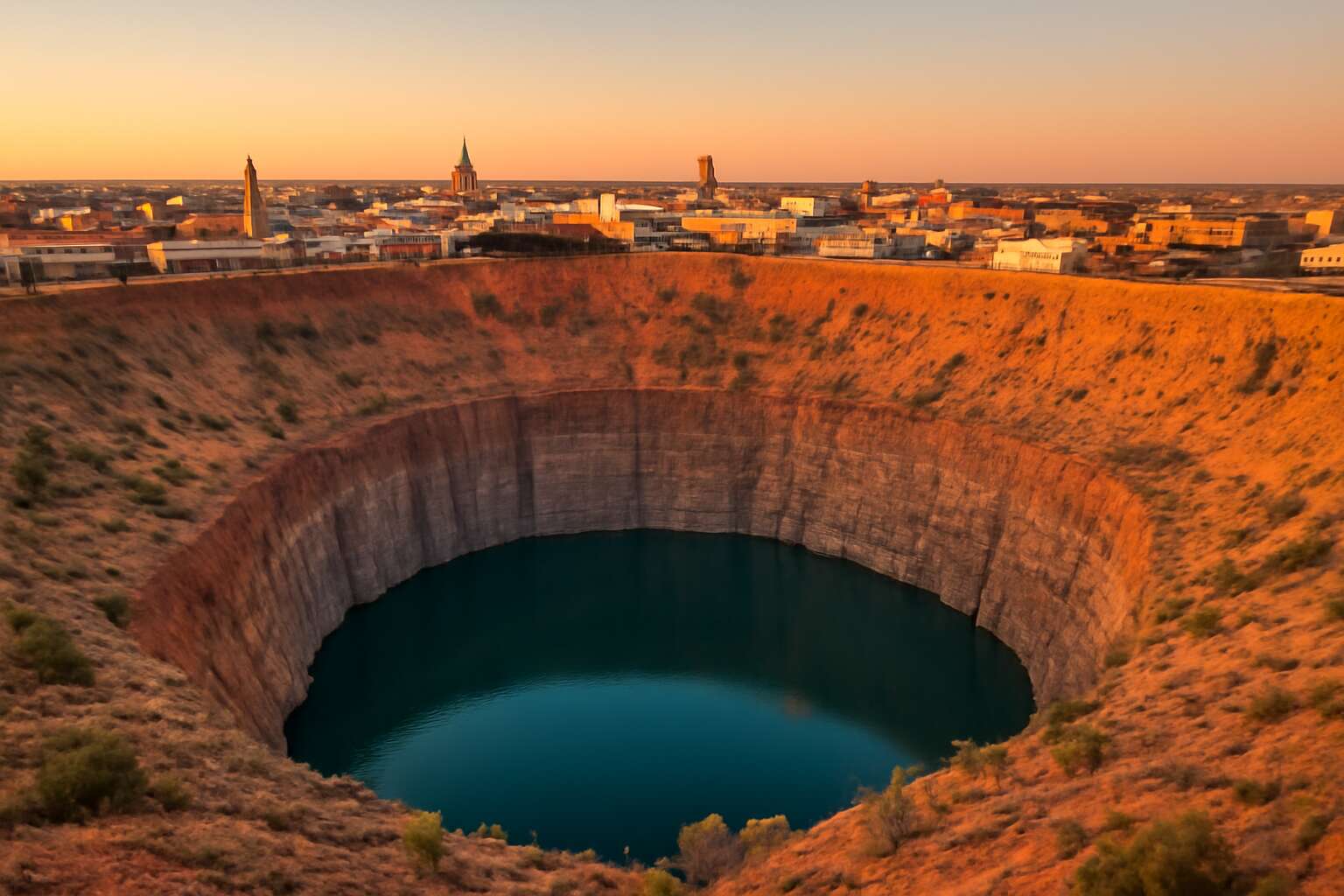
Northern Cape Heritage Sites Overview
Key features of the Northern Cape heritage landscape
Across the arid plains and cobalt skies, the Northern Cape breathes history. A heritage site in northern cape reveals stories carved by time—rock art, trade routes, and frontier resilience that still pulse beneath the landscape. It’s a place where wind and geology collaborate to tell a gripping, almost supernatural tale of survival and culture.
- Ancient San rock art and engravings that whisper through the red dust
- Desert vistas and star-studded nights shaping identity and memory
- Historic mining towns and railway corridors echoing with footsteps of generations
- Active conservation programs empowering local communities and visitors alike
From Namaqualand’s coastal to the Karoo’s broad horizons, these sites offer layered narratives, inviting researchers, travelers, and locals to read the land with fresh eyes. The Northern Cape heritage landscape thrives on discovery, offering clues to our collective past and a future that respects it.
Top historical landmarks to explore in the region
“History is written in the wind,” a local guide often says. In the Northern Cape, Kimberley Big Hole and Augrabies Falls stand as living witnesses to diamond-era audacity and desert resilience—a heritage site in northern cape where time layers itself in red dust and thunder.
Across arid plains and cobalt skies, these landmarks invite researchers, travelers, and locals to read the land with fresh eyes. The stories move from mining echoes to frontier resilience, echoing in wind-carved canyons and river routes. Each site preserves memory, offering clues to a shared past and a future that honours it.
A regional guide to heritage sites by area
We hear 700+ memories whispering through red dust and sunlit canyons—the Northern Cape’s wind-inked ledger. History there refuses to be hurried; it invites a patient gaze, a translation of wind into meaning.
This Northern Cape heritage overview slices the region by area, revealing how deserts, river corridors, and coastal edges cradle distinct legacies. From Namaqualand’s sea-salted fortresses to diamond-era remnants inland, the story unfolds with humility and grandeur.
- Namaqualand coast: lighthouses, mining towns, and sea-etched outposts
- Orange River corridor: trade routes, mission stations, and agricultural heritage
- Karoo hinterland: fossil tracks, stone houses, and survivor’s paths
Each district reveals a heritage site in northern cape that invites researchers, travelers, and locals to linger, listen, and learn.
SEO-friendly content ideas for Northern Cape heritage sites
More than half of heritage-site visits in the Northern Cape happen off the beaten path, where wind writes its own ledger. This heritage site in northern cape breathes when local voices translate rock and dust into memory!
To capture it for an SEO-friendly article, foreground voices, landscapes, and continuity across centuries.
- Oral histories and community stewardship stories from Namaqualand and the diamond-era corridors
- Photographic surveys that pair lighthouses and stone houses with maps and place-names
- Geology and fossil trails that connect Karoo narratives to present-day communities
Let the piece be a quiet channel between disciplines—anthropology, archaeology, and urban memory—where the Northern Cape’s heritage becomes a living conversation.
Historical Landmarks by Region in the Northern Cape
Kimberley’s Big Hole and the diamond rush
Kimberley’s Big Hole stands as a brutal invitation to history, a crater carved not by nature but by a fever that gripped thousands. This heritage site in northern cape draws tens of thousands of visitors each year, who come to feel the weight of a diamond rush that rewrote a region.
In the northern cape’s regional tapestry, historical landmarks tell stories of aspiration and consequence. The Big Hole and the Kimberley narrative illuminate how wealth, ambition, and violence intersected on a stage of railways, labor, and pop-up towns. The site is not merely a quarry; it’s a moral archive asking who benefits, who bears the scars, and how communities rebuild.
As a heritage site in northern cape, it invites reflection on what remains about us and what we owe to the generations who followed. I walk its edges and hear the mine’s echo—human hunger, resilience, and responsibility intertwined.
Namaqualand fortifications and early settlements
Namaqualand wears history like a salt-washed banner: more than 30 heritage sites in the Northern Cape map a corridor of defense, trade, and endurance. This heritage site in northern cape is part of that wider chorus, where fortifications dot the wind-raked coast and early settlements cling to stunted oases. The stories here turn the land into a palimpsest of footprints and echoes, urging visitors to listen beyond the dust.
Fortifications and early settlements in Namaqualand tell of boundary-making and survival across radiating routes of sea and desert.
- Coastal forts and watchtowers guarding ancient trade routes
- Mining camps that grew into rugged settlements along the bays
- Rock art, shell middens, and relics that anchor memory
Walking these relics, the heritage site in northern cape breathes history into the present and invites a quiet conversation with the past.
Karoo towns and their architectural legacies
In the Northern Cape’s Karoo towns, time moves like a desert wind across sun-washed stone. A survey notes about 40% of surviving façades retain their original limewash, a stubborn vow that memory makes visible.
Historical landmarks by region reveal how architectural legacies thread life—verandas, thick adobe walls, and churches with bells that still echo at dusk. This heritage site in northern cape is not a museum but a living ledger, inviting visitors to listen for footsteps in the dust.
- Stone forts and watchtowers guarding old trade routes
- Rock art shelters and shell middens anchoring memory
- Verandaed dwellings and churches that weather the wind
As you trace routes from dust to dawn, you read a skyline built to endure, with spaces that tell of caravans and families who called these winds home. These spaces endure as a heritage site in northern cape, a living mirror of time.
Cultural Heritage and Indigenous Histories
San and Khoi rock art and ancient routes
More than 1,000 rock art panels survive across the Northern Cape, a living archive of San and Khoi memory. These images—grazing animals, hand stencils, and hunting scenes—are maps to seasonal cycles and social history. As an elder once said, ‘the rock remembers.’
This heritage site in northern cape offers more than pictures; it traces ancient routes that once linked coast with inland camps and trading paths.
- Rock art as seasonal calendars and storytelling devices
- Old routes that linked coastal communities with inland camps
- Ceremonial spaces where elders kept memory through symbols
Walking the ridges, I hear locals talk about land rights and memory. The rocks invite reflection on memory, landscape, and the politics of heritage; a space where present and past negotiate shared space.
Cape Colony era cultural landscapes
In a landscape where memory is etched in stone, more than 1,000 Indigenous panels endure, revealing Cape Colony era cultural landscapes woven with commerce, ritual, and memory. The heritage site in northern cape stands as a living palimpsest—where San and Khoi routes mingle with later milestones, and every contour invites reflection on how history shapes today.
- Old coastal-inland trade routes etched into the land
- Ceremonial spaces where elders transmitted memory through symbols
- Rock art as living calendars guiding seasonal life
Walking the ridges, I sense how memory negotiates space between past and present, a politics of heritage that invites communities to write their own continuation on ancient ground.
Khoekhoe heritage sites and language preservation
Language is land, and memory travels with the wind across the Northern Cape. Khoekhoe heritage sites guard more than ruins; they cradle language, songs, and stories that stitch communities together. This heritage site in northern cape invites reflection on ancestral routes and living culture.
Preservation grows where people share and pass on knowledge.
- Khoekhoe language revival programs in schools and communities
- Intergenerational storytelling circles rooted in daily life
- Documentation of place-names and oral histories for future study
These practices keep Khoekhoe heritage vibrant and Indigenous histories alive, ensuring language remains accessible, ceremonies continue, and knowledge travels from elders to the next generation.
Heritage trails that celebrate lived traditions
Across the dust-silver plains of the Northern Cape, more than 60% of visitors report a charged hush as they trace ancestral routes—a whispering statistic that feels like breath in stone. This is the pulse of a heritage site in northern cape, where trails become living archives.
Cultural Heritage and Indigenous Histories Heritage trails celebrate lived traditions by weaving storytelling, song, and place into daily walks. The land becomes a tutor: you walk with old routes, memory answering in name and utterance.
Here are anchors of the journey:
- Intergenerational storytelling circles in communities along the paths
- Documentation of place-names and oral histories for future study
- Guided walks that connect ceremonies, songs, and landscapes
Visit these trails to sense living culture persist and language bloom with every shared memory. This heritage site in northern cape stands as a quiet keeper of voices.
Documenting oral histories and storytelling locations
Across the dust-silver plains, more than 60% of visitors report a charged hush as elders begin to speak—breath in stone! This heritage site in northern cape is not a museum but a living archive, where memory answers in name and utterance.
Documenting oral histories and storytelling locations becomes a quiet act of mapping: recording voices, tracing place-names, and marking where songs drift from hearth to hillside.
- Rock shelters that cradle ancestral chants
- Community centers where elders convene to share lore
- Ceremonial routes woven into the landscape
Documents born from these circles anchor language and identity, ensuring future study can listen in. In this heritage site in northern cape, memory is not museum glass but breath on a wind-blown path.
Conservation, Tourism, and Education
Conservation status and UNESCO considerations in the Northern Cape
In the sun-scorched plains of the Northern Cape, memory crystallizes in stone—the heritage site in northern cape anchors a landscape of resilience and story. Conservation status here is robust yet vigilant, guarding fragile rock art, rare flora, and living Khoekhoe and San traditions. UNESCO considerations emphasise community co-management and clear buffer zones.
- Community-led stewardship and access rights
- Buffer zones and environmental safeguards
- Regular reporting and independent oversight
- Sustainable visitor practices and benefit-sharing
Tourism here channels curiosity into responsible exploration—guided visits, storytelling by local custodians, and preserves that invite visitors without eroding the landscape. When done well, it becomes a living classroom rather than a mere photo stop!
This heritage site in northern cape, as an educational beacon, becomes a bridge between classrooms and clay, pairing school partnerships with oral-history projects and language preservation to keep the stories alive for generations to come.
Responsible tourism at heritage sites
At the heritage site in northern cape, conservation is a disciplined act of listening—protecting rock art, fragile habitats, and living Khoekhoe and San traditions. It blends careful restoration with community stewardship, guided by buffer zones and independent oversight that keep damage at bay while inviting informed curiosity.
Tourism here is purposeful, transforming curiosity into responsible exploration. Guided visits are led by local custodians who share oral histories and landscape lore, turning a simple walk into a living classroom.
- Guided visits led by local custodians
- Respectful photography and adherence to buffer zones
- Leave-no-trace practices that protect rock surfaces and flora
Education is the heartbeat: school partnerships, language preservation, and storytelling locations link classrooms with clay and memory. I have witnessed students trace glyphs with reverence, turning lessons into legacies.
Educational programs and visitor centers at key sites
Conservation here is listening in action. The rock art and fragile habitats at the heritage site in northern cape are shielded by careful restoration, buffer zones, and independent oversight that guard against harm while inviting informed curiosity.
Tourism is purposeful, turning curiosity into responsible exploration. Guided visits are led by local custodians who share oral histories and landscape lore, turning a simple walk into a living classroom where visitors leave with a deeper respect for place.
Education is the heartbeat: school partnerships, language preservation, and storytelling locations connect classrooms with clay and memory. I have witnessed students trace glyphs with reverence, turning lessons into lasting legacies at key sites.
Educational programs and visitor centers at key sites offer hands-on workshops, language revival sessions, and interpreted exhibitions. These spaces welcome families and researchers, weaving community voices into the region’s living heritage.
Planning your visit: maps, permits, and safety tips
Conservation is listening in action—’the landscape speaks in stone,’ guides remind us. Rock art and fragile habitats are guarded by buffer zones and independent oversight that guard against harm while inviting informed curiosity. This vigilance sustains stories carved in stone for generations.
Tourism is purposeful, turning curiosity into responsible exploration. Guided visits are led by local custodians who share oral histories and landscape lore, turning a simple walk into a living classroom where visitors leave with a deeper respect for place.
Education is the heartbeat: school partnerships, language preservation, and storytelling locations connect classrooms with clay and memory. I have witnessed students trace glyphs with reverence, turning lessons into lasting legacies at key sites.
Planning your visit: maps, permits, and safety tips come into play for a heritage site in northern cape; official portals provide context maps and boundary guidelines, while permit regimes protect places that are fragile. Safety tips encourage staying on designated routes, keeping a respectful distance from artworks, and bringing essentials for sun and heat.

0 Comments