
Western Cape travel overview
Key attractions and must-see experiences in the Western Cape
Two UNESCO World Heritage sites anchor the western cape, where mountains cradle the sea and fynbos perfumes the wind. The Cape Floral Region Protected Areas and Robben Island whisper history, and the journey threads western cape and northern cape into one sweeping tapestry of light, salt air, and possibility.
- Table Mountain’s cable-car ascent offers dawn city views.
- Stellenbosch and Franschhoek wine routes unfold like a grape-scented poem with cellar-door tastings.
- Cape Point and the Cape Peninsula’s dramatic cliffs crown a coastline where waves duel the wind.
From wind-swept beaches to emerald valleys, the Western Cape offers a chorus of flavors and landscapes, a memory-stitched voyage that begins here, while the northern cape reveals its own vast, star-lit hush to a patient traveler.
Best time to visit the Western Cape
I arrive where sea spray and mountain air meet, and I am reminded that the western cape and northern cape offer a palate of landscapes inviting curiosity rather than rush. A coastline that shifts from rugged Atlantic cliffs to sun-warmed dunes, and hinterland plateaus where the Karoo moons rise at dusk, compose a travel canvas that rewards patient visitors. What a landscape!
In the Western Cape, the best time to visit depends on what you seek. Spring brings protea and fynbos color, summer stretches days for beach wanderings, and winter shines with dramatic skies and whale-watching opportunities along calm shores.
- Spring (Aug–Oct): wildflower displays and shoulder-season calm
- Summer (Nov–Feb): long days, sea breezes, coastal towns in full swing
- Winter (Jun–Aug): dramatic skies, whale watching in accessible coves
Outdoor adventures and natural wonders
Across the western cape and northern cape, time stretches along coast and plains, inviting a traveler to linger! “Time slows here, and the land teaches you to listen,” a local guide says, and that sentiment sticks. The landscape rewards curiosity over rush and glints with sea spray and light.
Outdoor adventures and natural wonders spill from sea to scrub and sky: rugged shorelines, sun-warmed dunes, and the Karoo’s expansive light. Trails thread coastal cliffs, wind-sculpted plateaus, and inland flats that glow at sunset, while birds wheel above salt pans and riverine oases.
- Coastal walks along wild Atlantic shores with seabird watching
- Sand-dune hikes at sunrise for horizon-lit views
- Star-gazing under expansive Karoo skies
Across the western cape, the land presents microclimates from fog-veiled coves to open savannas, where wildflowers and winds carry stories of resilience. In the northern cape, expansive Karoo skies expand the horizon and invite quiet reflection.
Food, wine, and cultural highlights in the Western Cape
“Wine is sunlight held together by water,” a Franschhoek sommelier smiles—an idea that travels like sea breeze through the western cape’s dining rooms. Here, food and wine braid from sun-warmed estates to vibrant markets, stitching a culture that feels intimate yet expansive. I linger over the glass, listening to the valley’s heartbeat.
- Stellenbosch and Franschhoek wine routes with cellar-door tastings.
- Cape Malay flavors, bobotie, and spice markets in Bo-Kaap city lanes.
- V&A Waterfront and Camps Bay eateries with seaside markets, a nod to the northern cape’s starry skies.
Beyond the plate, the western cape invites conversation—heritage, art, and performance weaving through towns. The northern cape offers its own horizons, yet this region remains the culinary heartbeat of the country.
Practical planning: safety, transport, and budgets in the Western Cape
A compass on this land points toward sunlit coasts and starlit plains, where the western cape and northern cape weave a single long horizon. Travel here rewards thoughtful pacing, where safety anchors every moment and the journey expands with every coastline turn. From Cape Town’s seaside lanes to the Karoo’s open skies, planning unfolds as part of the adventure, not a chore.
Practical planning threads safety, transport, and budgets into a seamless tapestry. In these regions, choose reputable operators, map flexible itineraries, and let price ebbs and flows guide your choices rather than rush you. The rhythm of travel becomes a poem—balanced, deliberate, and richly rewarding.
Northern Cape travel overview
Iconic landscapes and natural wonders of the Northern Cape
Stretching across a vast mosaic of desert and coastline, the Northern Cape feels like travel at a human pace. It’s the widest footprint among South Africa’s provinces, where silence is a constant companion and the stars don’t compete with streetlights. Together, western cape and northern cape offer a continuum from maritime fog to arid grandeur, a reminder that scale changes the way you understand place. The appeal lies in stark contrasts—a desert sunset over the Kalahari and a night sky so clear you can count satellites.
Iconic landscapes and natural wonders include:
- Augrabies Falls National Park
- Kgalagadi Transfrontier Park’s red dunes and wildlife
- Namaqualand coast and wildflower corridors
These landscapes reward patient travel and honest engagement with the land and its communities, completing the story of western cape and northern cape.
Cultural heritage and local experiences in the Northern Cape
Itinerary ideas across the Northern Cape
As the largest province by area, the Northern Cape accounts for roughly 30% of South Africa’s land mass, and its skies stretch impossibly blue. The route through western cape and northern cape feels like stepping into a living myth—desert silence, emerald rivers, and coastlines carved by wind and time. A seasoned guide likes to say, ‘the horizon itself is a map,’ and you’ll believe it as you wander from Karoo horizons to Namaqua blooms beneath a tapestry of stars.
Here are itinerary ideas across the Northern Cape that weave natural wonders with cultural echoes:
- Namaqua Coastal Route: wildflowers, seal colonies, and sea-salt air along springtime shores.
- Karoo Heartland Loop: wind-sculpted landscapes, fossil trails, and soft dusk light.
- Kgalagadi Transfrontier Safari: red dunes, big cat silhouettes, and nights bright with stars.
Practical planning: transport, safety, and accommodations in the Northern Cape
The Northern Cape reshapes the idea of travel: a sky so blue you navigate by it, and land so expansive it outmaps most itineraries. It’s the largest province by area, accounting for roughly 30% of South Africa’s land mass—ample space for awe and mischief alike. For readers exploring western cape and northern cape, practical planning anchors the adventure more than any dramatic sunrise ever could.
Transport realities unfold as long horizons between towns on wind-swept highways. Safety realities include patchy mobile coverage and wildlife silhouettes at dusk. Accommodations span eco-lodges, desert camps, and diverse guesthouses, each offering a distinct sense of place. Quick take:
- Transport realities: long horizons between towns and wind-swept highways.
- Safety realities: patchy mobile coverage and wildlife along rural routes.
- Accommodations: eco-lodges, desert camps, and diverse guesthouses.
Seasonal travel tips and must-see events in the Northern Cape
The Northern Cape covers roughly 30% of South Africa’s land mass, a blue-sky stage where horizons outstretch even the boldest itineraries. When paired with the western cape and northern cape, travel becomes a dialogue between scale and wonder. This is a place where quiet landscapes invite a slow, lyrical pace, and the night sky is a storyteller with a thousand bright points. I keep returning, chasing that blue horizon!
Seasonal travel rewards vary with the compass. In spring, the Namaqualand wildflower bloom transforms dunes into a living garden; autumn brings crisp mornings and clear panoramas. Must-see events include:
- Namaqualand spring bloom (Aug–Sept): a sea of wildflowers across the arid lands
- AfrikaBurn festival in Tankwa Karoo (April): a bold, transformative gathering of art and community
In summer the heat is generous; winter nights, a velvet quilt. The road between towns keeps its promises only to those who listen to the wind.
Regions and landscapes in the Western Cape
Cape Town metropolitan area and surrounding suburbs
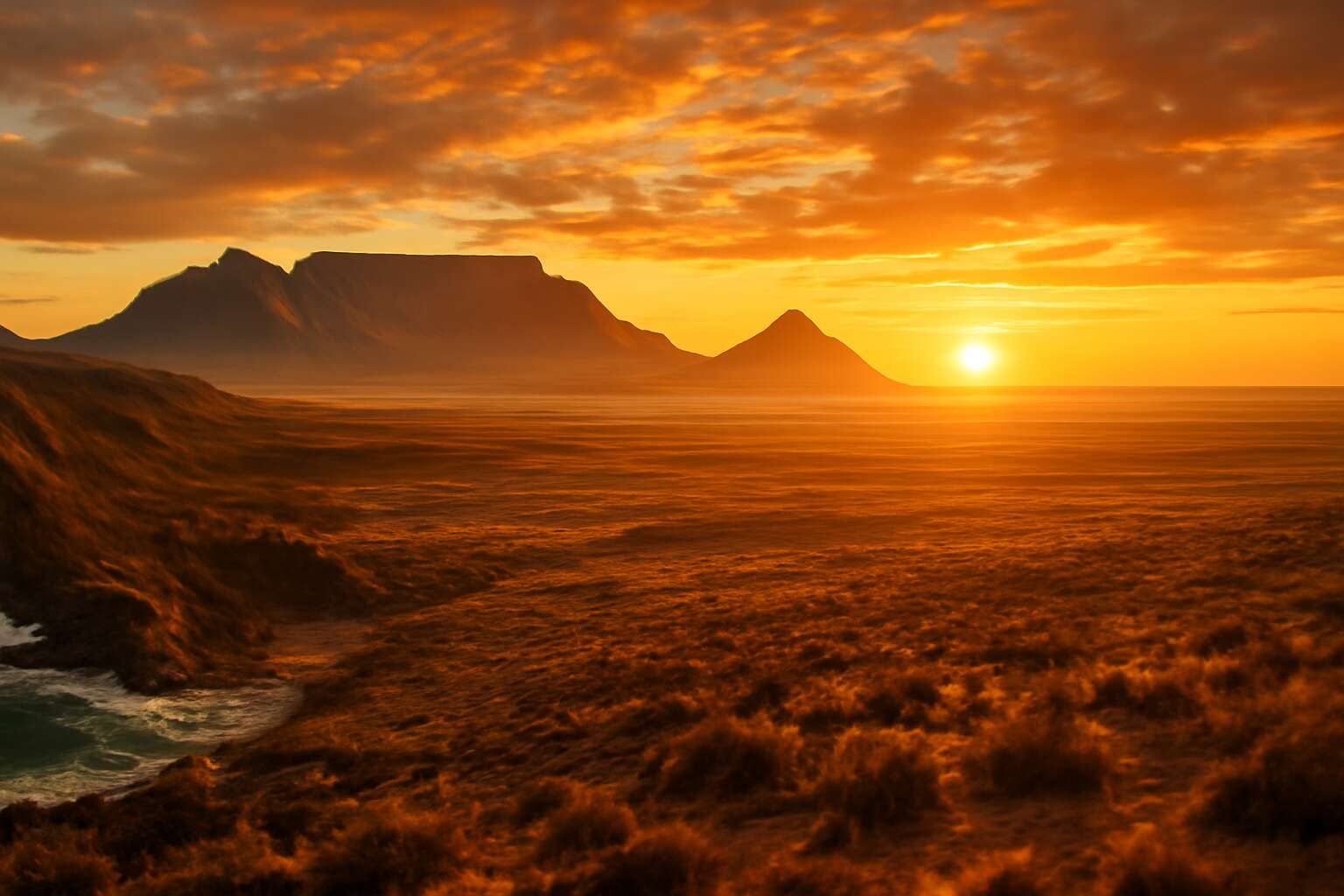
Painted with sea-salt and sun-warmed stone, the Western Cape’s Cape Town metro unfolds as a living landscape where city rhythm meets unspoiled edge. Skyscrapers fade into hills, and the iconic Table Mountain seems to loom as a constant, granite compass guiding locals and visitors alike.
Within the surrounding suburbs, gradients of green and blue shift with the wind, from coastal bluffs to valley terraces.
- Table Mountain framing the urban vista
- Atlantic coastline and Cape Town beaches
- Constantia valley vineyards and hillside estates
- Harbours and peninsulas around Hout Bay and False Bay
In this weave, the western cape and northern cape echo through the region’s geography—coast, cliffs, vineyards, and mountaintop air—inviting a patient, sensory discovery rather than a hurried itinerary.
Winelands and agricultural heartland: Stellenbosch and Franschhoek
Wine and wind compose the opening act in the western cape’s winelands, where Stellenbosch and Franschhoek spill across the valley like a wine-stained tapestry. The western cape accounts for about 90% of South Africa’s wine production, a statistic that only hints at the patient drama of vine and granite. In Stellenbosch, lime-washed manor houses flank oak-lined lanes, while Franschhoek unfurls with hillside estates and a chorus of vine-sweet summers.
- Terraced vineyards tracing the Helderberg’s amber slopes
- Stone farmsteads, red-tiled roofs, and oak-lined avenues
- Cool Atlantic breezes shaping chenin, chardonnay, and cabernet
Across the western cape and northern cape, these valleys anchor a broader regional narrative—their stone barns and vine rows reminding us that agriculture can be poetry as well as a livelihood. I leave Franschhoek with the taste of thyme in the air and the sense that land and language drink from the same well.
Garden Route and Overberg highlights
The western cape folds into a coastline where the Garden Route unfurls like a living postcard, wind in the hair and salt on the tongue. A local whisper guides you to slow your steps—the land reveals its patient, honeyed beauty only to those listening. The Overberg answers with granite hush, barley turning to gold where fields meet the sea.
Here, landscapes shift with every bend: moss-draped cliffs, lagoon-front towns, and beaches that glow at golden hour.
- Mossel Bay’s fossil whispers and sheltered coves
- Knysna’s lagoon, forests, and oysters
- Plettenberg Bay’s beaches and savannah-like horizons
Beyond the coast, the northern cape sits in its star-bright sparseness, a stark counterpoint to the western cape’s lush chorus—proof that beauty wears many forms across this vast coast.
Cederberg, Karoo foothills, and inland escapes
“The land writes its own weather,” a guide once told me. The Cederberg anchors a landscape of granite spires and wind-carved canyons, where cedar scent and wildflower breath mingle. The Karoo foothills unfurl inland in a scrub-salted hush, offering vast skies and a patient beauty that reveals itself slowly. Inland escapes here feel like a slow exhale after sea-breeze horizons.
- Craggy Cederberg plateaus, ancient rock art, and fynbos perfumes
- Karoo foothills’ expansive skies, hardy succulents, and wind-worn paths
- Inland escapes featuring olive groves, wheat plains, and panoramic horizons
In western cape and northern cape, these interiors carve a complementary symphony to the coast—their quiet, philosophical scale inviting longer stays and deeper listening.
Coastal towns, beaches, and marine reserves
Coasts breathe differently here, each bend rewriting the map with salt and wind. From Kalk Bay’s sunlit steps to Langebaan’s glassy lagoon, the Western Cape reveals a coastline that wears mood as bravely as granite. Marine reserves guard kelp forests, sea caves, and whale routes, while Boulders Beach hosts a playful penguin parade along a wind-worn shore. Across the western cape and northern cape, the sea translates time into tide!
- Hermanus
- Langebaan
- Paternoster
These shores are not merely scenery; they are classrooms in salt. The landscape alternates between seabreeze coves and dune-backed bays, inviting slow strolls and honest conversations with the sea. In winter the shore wears mist like a shawl; in summer it shimmers with sunlit slate and the pulse of surf schools. The region threads community through harbor cafes, small fishers’ ways, and protected marine spaces that keep the coast vital and teach us to listen.
Regions and landscapes in the Northern Cape
Kalahari Desert and iconic red dunes
Across the Northern Cape, the Kalahari Desert unfurls under a ceiling of impossible blue. This isn’t just sand—it’s a living map of wind and time. In the western cape and northern cape, the landscape shifts from arid savannas to vast dune seas that glow at dusk.
- Kalahari plains that shimmer after rare rain
- Iconic red dunes sculpted by centuries of wind
- Secluded salt pans reflecting the sky
Visitors witness star-streaked nights, animal tracks, and a hush that makes time seem to pause.
Namaqualand flowers and Atlantic coast experiences
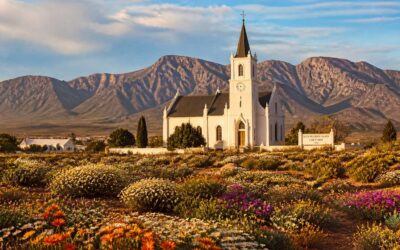
Across the Northern Cape, Namaqualand unfurls in a painterly spectacle as winter rains coax color from the veld. The Namaqualand flowers bloom in patches of yellow and purple, turning arid plains into whispering gardens. Along the Atlantic coast, the wind keeps its own tempo, and the sea writes salt-slick poetry on the rocks.
These landscapes invite the patient observer to pause and listen—nature’s drama performed in dust and spray.
- Namaqualand flower trails in spring
- Atlantic coast cliff routes and seal colonies
- Coastal dune systems and remote fishing villages
From the western cape and northern cape, the contrast is a reminder that beauty wears many faces—blooming resilience one moment, windswept wonder the next.
Richtersveld National Park and desert biodiversity
In Richtersveld National Park, a desert cathedral rises from red dune and granite, where biodiversity blooms against the odds. This rugged landscape unfolds across western cape and northern cape as a continuous desert identity, its flora and fauna adapted to blistering sun and scarce water. Rivers vanish into cracked plains, then reappear after a rare rain, while jagged peaks hold echoes of ancient geologies and patient human endurance.
- Ancient succulent flora clinging to granite
- Desert-adapted fauna and birdlife along riverbeds
- Vast color washes at dusk over basalt and sand
Photographers and wanderers learn resilience here, where silence becomes color and the desert teaches patience.
Historic towns and cultural heritage: Kimberley and beyond
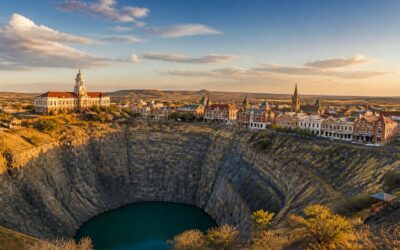
Across the northern cape, which accounts for nearly a third of South Africa’s land area yet hosts a fraction of its people, Kimberley stands as a beacon of resilience. The Big Hole and red-brick streets tell a diamond-era saga, while the surrounding plains stretch under wide, patient skies.
Regional landscapes here are a study in contrasts: sculpted escarpments, arid riverbeds, and a heritage that blends Khoisan memory with colonial footprints. The western cape and northern cape share a vastness that invites slow travel and attentive listening to place.
- Historic mining sites and Big Hole narratives
- Khoisan heritage trails and museums
- Architectural landmarks and preserved townscapes
These elements form a living map where the northern cape’s stories meet the western cape’s sea-breeze and farmland rhythms.
Augrabies Falls, wildlife, and arid-adapted ecosystems
Augrabies Falls sits where the arid interior meets a roaring river. Here, the northern cape unfurls in granite canyons, red plains, and a horizon that seems to hold its breath—a counterpoint to the sea-salted moods of the western cape. The falls themselves command attention, a drumbeat of resilience echoing across the veld.
Wildlife and arid-adapted ecosystems thrive here, where red dust meets pocketed shade and the Orange River threads through the landscape. Oryx, springbok, and klipspringer claim rocky outcrops; martial eagles wheel above; the air carries the scent of drought-resilient shrubs.
- Oryx and springbok across open plains
- Klipspringer on granite escarpments and rocky outcrops
- African fish eagle and other raptors along the Orange River
This region invites slow travel, a shared epic of endurance that threads the western cape and northern cape into one map, where time wears its furrowed lines with quiet pride.
Travel planning, tips, and sustainability
Getting there: routes, flights, and road travel to the Western and Northern Cape
Routes thread the coast and the Karoo; a local guide says, “the road is the destination.” The western cape and northern cape unfold as a tapestry of ocean spray, red dunes, and wide-open plains.
Travel planning should orbit sustainability: rail or scenic drives when feasible, solar-powered lodges, and lightweight packing to cut waste. Choose operators that protect biodiversity and support local communities.
- Choose renewable-energy accommodations and low-emission transport where possible.
- Pack reusable items, conserve water, and leave no trace.
- Support locally owned tours and conservation-focused experiences.
Getting there: routes, flights, and road travel connect Cape Town International to George and Upington, with major highways like the N1 and N7 steering you toward the western cape and northern cape horizons.
Best seasons by region and activity type
Nearly 300 sunny days a year bathe the Cape, and wind choreographs the journey, where travel planning becomes a pledge to the land. In the western cape and northern cape, sustainable choices shape every mile: rail journeys and scenic drives where feasible, solar-powered lodges that sip less power, and packing that is feather-light to cut waste. Choose operators that protect biodiversity and support local communities. When you travel, you bless the land as much as you enjoy it, leaving footprints that heal rather than harm.
- Best seasons for coastal exploration and wine country run spring to autumn with mild days.
- Northern Cape blooms in spring; Karoo nights are superb in autumn and winter for stargazing.
Across these regions, seasons blend with activity: coastal adventures, flower safaris, desert sojourns, and starlit skies reward patient, sustainable travel.
Accommodation options and budgeting tips
Nearly 300 sunny days a year bathe the Cape, and I chase light from the wind-kissed shores of the western cape and northern cape. Travel planning becomes a pledge to the land: thoughtful pacing, lightweight packing, and choices that honor the scenery.
In these regions, sustainable choices shape every mile: rail journeys where feasible, solar-powered lodges that sip less power, and operators that protect biodiversity and support local communities.
- Opt for rail or electric-hybrid transport to reduce emissions
- Support community-owned accommodations and biodiversity-friendly tours
- Pack reusable essentials to curb waste and plastic use
Accommodation options and budgeting tips: From intimate guesthouses to solar-powered lodges and caravan parks, book midweek and shoulder seasons for better rates. By prioritizing local economies and sustainable standards, you can savor the region without overspending.
Safety, health, and local etiquette
Nearly 300 sunny days a year bathe the Cape; each mile invites responsible wandering through western cape and northern cape. Travel planning becomes a ritual: pace with the land, choose rail when possible, and pack with intention, leaving footprints that spare dunes and rivers.
Safety and health thread through every choice like a lantern’s glow. I carry a compact first aid kit, respect wildlife and local rules, and greet hosts with tact and warmth; local etiquette favors humility, attentiveness, and minimal disturbance to sacred places.
In these lands, sustainable footprints matter as much as grand spectacles. Thoughtful pacing, small hotels, and a reverent approach to nature keep the spirit intact and the journey memorable.
Sustainable travel and supporting local communities
Travel does more than fill a passport; it writes your character in the margins of the map! In the western cape and northern cape, the horizon feels like a classroom in sunlit granite. A wry one-liner from a guide sticks: sustainable travel is the itinerary that outlasts the trip.
A thoughtful approach to movement emerges—pockets of time in towns and a rhythm that reveals more than schedules.
- Locally owned accommodations and eateries reflect community character
- Craft markets sustain artisans and tell regional stories
- Community-guided experiences offer authentic insights
- Reusable materials and reduced single-use plastics lessen impact
Let sustainability be your travel companion—steadier footprints, richer stories, and stronger communities across these lands.

0 Comments